Agent-native website platform where AI agents build, host, and operate real sites via MCP
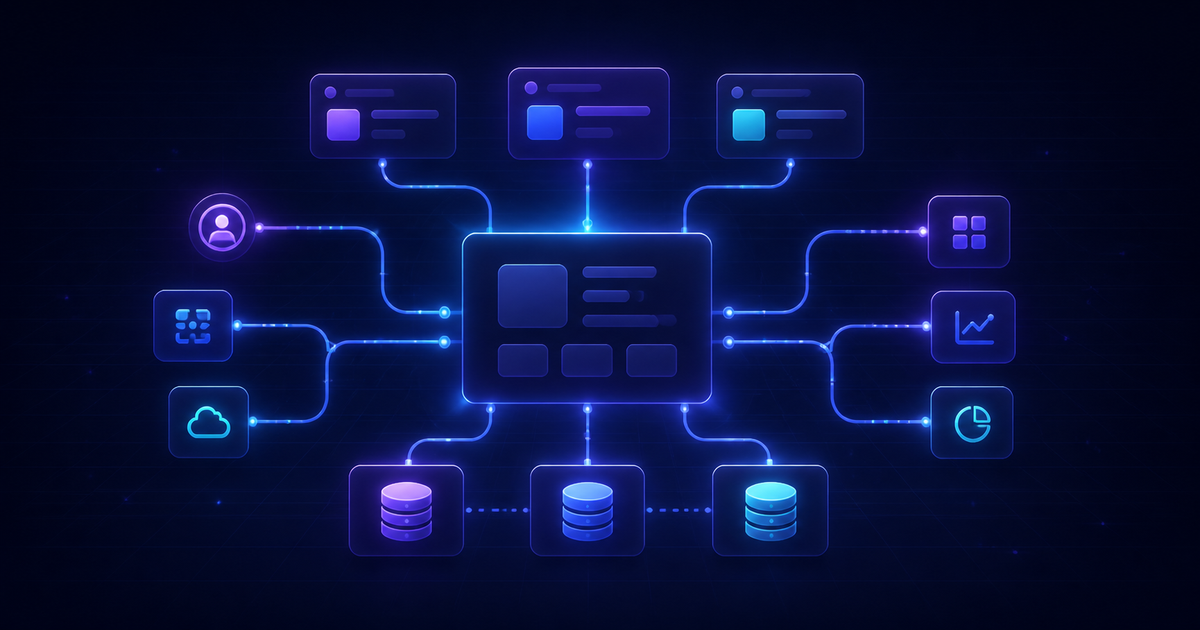
Cactal calls itself the website platform for AI agents, and the homepage is unusually concrete about what that means. Bring your own agent over MCP, API, or SDK, and it gains a full website stack: CMS your team can still edit, managed hosting with domains, publishing with versioning and rollback, SEO handled natively rather than bolted on as a plugin, analytics, and scoped API keys that are audited and isolated.
The quality gates feature is the one that caught my attention. Nothing broken goes live, the page says, which addresses the deepest fear about agent-built websites: an AI that ships a broken site at 2am with nobody watching. Adding a verification layer between agent output and production is the difference between a novelty and infrastructure.
The audience split is also stated plainly. Developers get the docs and platform, agencies get a section about shipping client sites, and the agents get the API. That three-sided framing is honest about how web work actually happens in 2026: the bot writes it, the human approves it, the client pays for it.
A support email, support@cactal.ai, is public. If you are already running Claude Code, Cursor, or any MCP-compatible agent and want it to own a real website end to end, Cactal is built precisely for that handoff. The test that matters is whether the quality gates actually catch what your agent gets wrong.
What it is
Agent-native website platform where AI agents build, host, and operate real sites via MCP
Pricing
Freemium
Primary category
Developer Tools
Source code
Closed source / hosted
Cactal is one of many tools in its category. Before committing to it, weigh a few practical points that tend to decide whether a tool actually fits your work:
We describe Cactal and its alternatives honestly so you can compare on substance. Browse the similar tools below to see how it stacks up against other options in the same category.